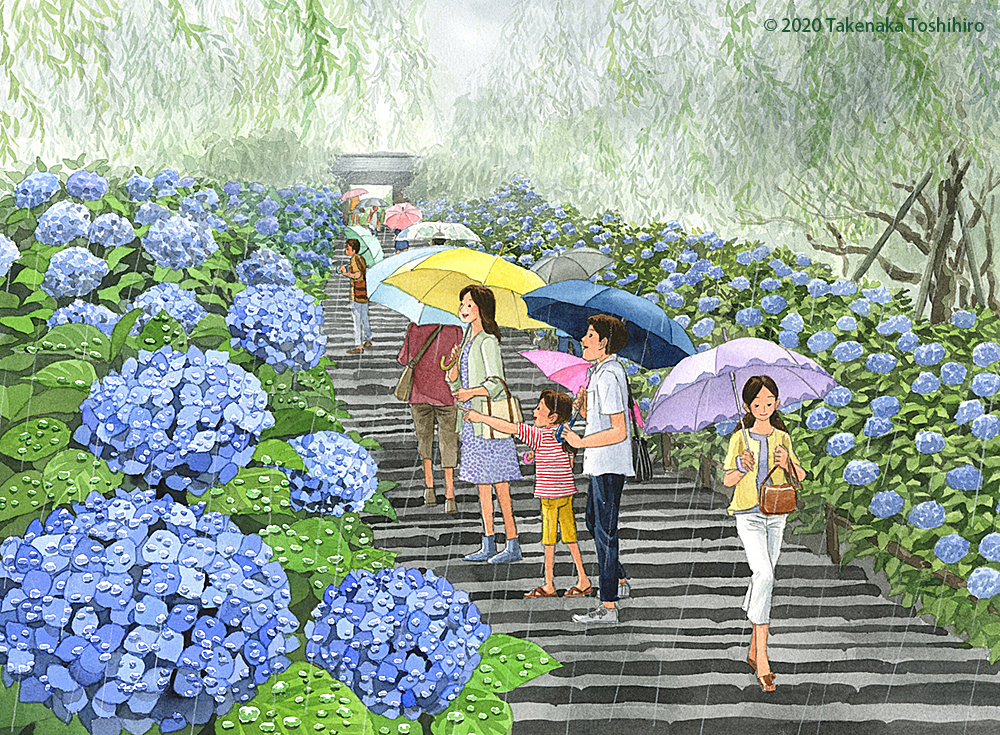
June in Japan hits a little different. The skies turn gray, it starts raining more often, and everything slows down just a bit. It’s the start of tsuyu, or rainy season. But instead of feeling dull, this is when ajisai, also known as hydrangea flowers, start popping up everywhere.

Suddenly, the streets, parks, and temples are filled with soft blues, purples, and pinks. It’s calm, a little moody, and honestly, really pretty.

If you’ve only heard about cherry blossoms, ajisai season is like Japan’s softer, more low-key version, and it’s just as worth experiencing. Curious where to go and what to expect? Let’s get into it!
What Flower Is Ajisai?

Ajisai (あじさい) is the Japanese word for hydrangea, one of the most popular flowers in Japan. These flowers bloom during early summer, specifically in June and July, right in the middle of the rainy season. Once the weather turns a bit gray, you’ll start seeing the soft pastel shades of hydrangeas everywhere.
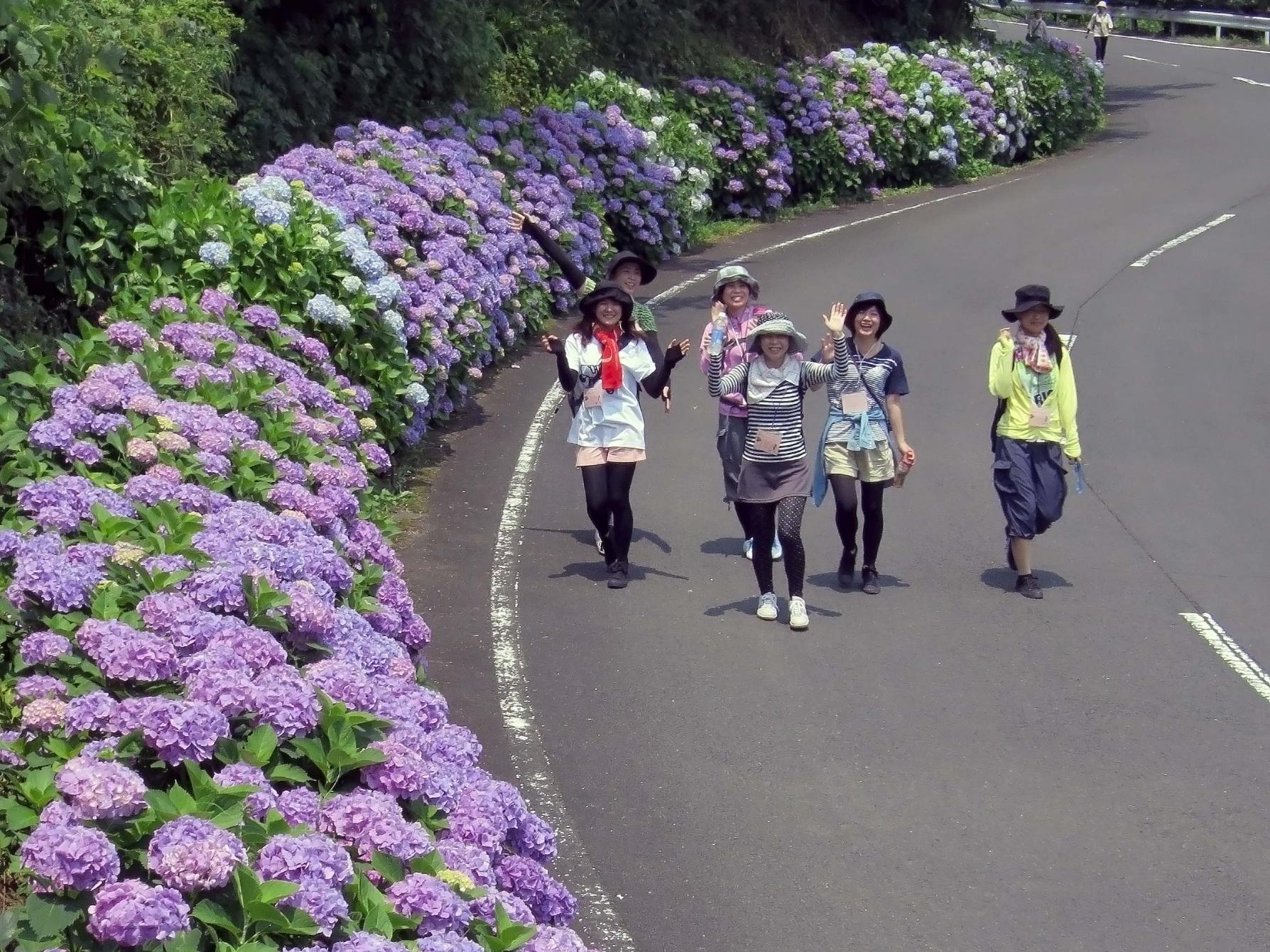
In Japan alone, there are over 100 varieties of ajisai flowers. Some grow in round, fluffy clusters, while others have more delicate petals that spread out around the center. They’re also known for their colors. You’ll see everything from cool blues and purples to soft pinks, sometimes even on the same plant.

And the best part? You don’t have to go far to see them! Because they’re easy to grow, Japanese hydrangeas are commonly found in parks, gardens, temple paths, and even along everyday streets.
What Makes Japanese Hydrangeas Unique?
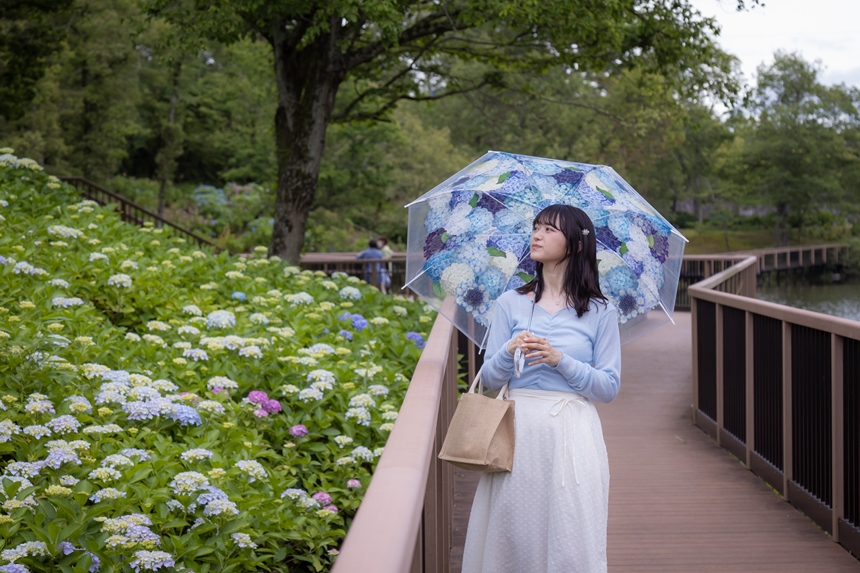
Okay, but what makes ajisai in Japan feel so special? It’s not just the flowers themselves, it’s where and how you see them. In Japan, hydrangea are part of the whole rainy season vibe. They bloom right in the middle of the rainy season, when there aren’t as many other flowers around. That’s why they stand out so much. They add color to gray skies and turn rainy days into something a little more special.

Plus, hydrangeas in Japan symbolize feelings like gratitude and sincerity. So they’re kind of like a quiet way of saying “thank you” or expressing something heartfelt. At the same time, they are linked to patience, mystery, and even a bit of emotional change. Which, honestly, fits the rainy season mood perfectly.
Do Ajisai Change Color?

One of the cool features of hydrangeas is that they can change color depending on the soil they grow in. If the soil is more acidic, you’ll usually see blue tones. If it’s more alkaline, the flowers lean pink. And sometimes you’ll get those in-between purple shades too.
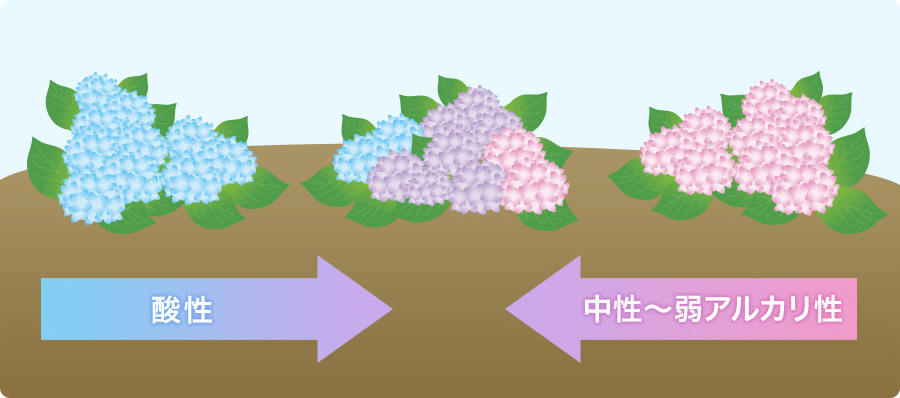
What makes it even more interesting is that you can sometimes see different colors on the same plant. So instead of just one solid color, you might get a mix of blues, purples, and pinks all in one cluster. It’s this soft, blended mix that makes everything feel extra dreamy.

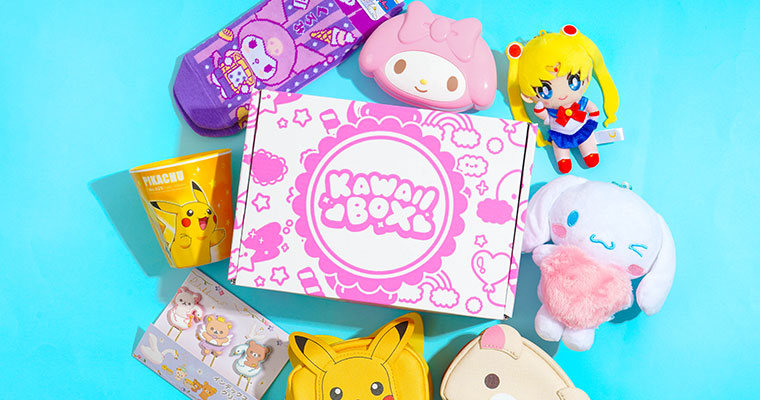
Love those soft hydrangea colors? Keep memories of this beautiful ajisai season with these adorable stationery, pens, and notebooks, inside this month's Kawaii Box!💙🌸

What Month Is the Hydrangea Season in Japan?

The good news? Ajisai season isn’t super short. You can usually catch hydrangea flowers across Japan from late May to early July, depending on the region.
- Okinawa and Kyushu: Late May
- Main island (Tokyo, Kyoto, etc.): Peak in June
- Hokkaido: Late June to July

Some gardens even plan it out so different varieties bloom at slightly different times, which means a longer viewing window. If you’re planning a visit, mid to late June is your best bet to catch ajisai flowers in full bloom. And the flowers themselves last pretty well, too. Once they bloom, they can stay looking good for weeks, so you don’t have to worry about missing them in just a few days.
Best Ajisai Viewing Spots in Japan

Where can you see hydrangeas in Japan? You don’t need to go everywhere. There are a few spots that really stand out, where ajisai flowers really hit different.
1. Meigetsuin Temple (Kamakura)
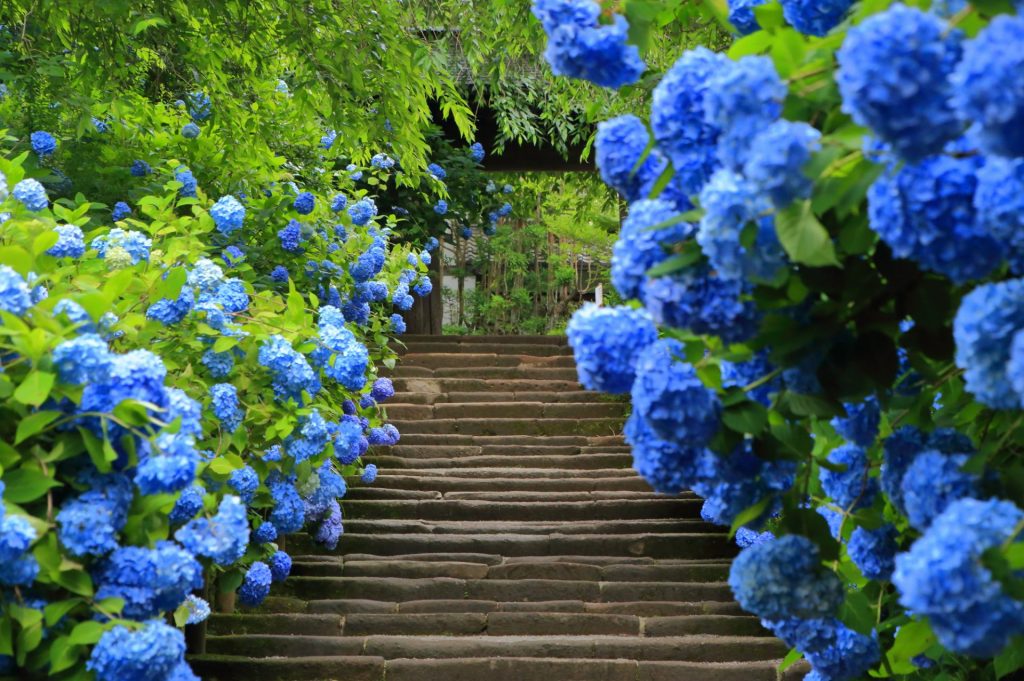
If you’ve ever seen those dreamy photos of blue hydrangea flowers in Japan, this is probably the place. Meigetsuin Temple, also known as “Ajisaidera” or hydrangea temple, is one of the most famous ajisai spots in the country. Around 2,500 hydrangea flowers bloom here, mostly in soft blue tones that make the whole place feel calm and almost unreal.
It’s just about a 10-minute walk from Kita-Kamakura Station, so it’s super easy to visit, especially if you’re coming from Tokyo. Go a bit earlier if you can, because yes, it gets popular for a reason.
2. Hakone Tozan Railway (Hakone)
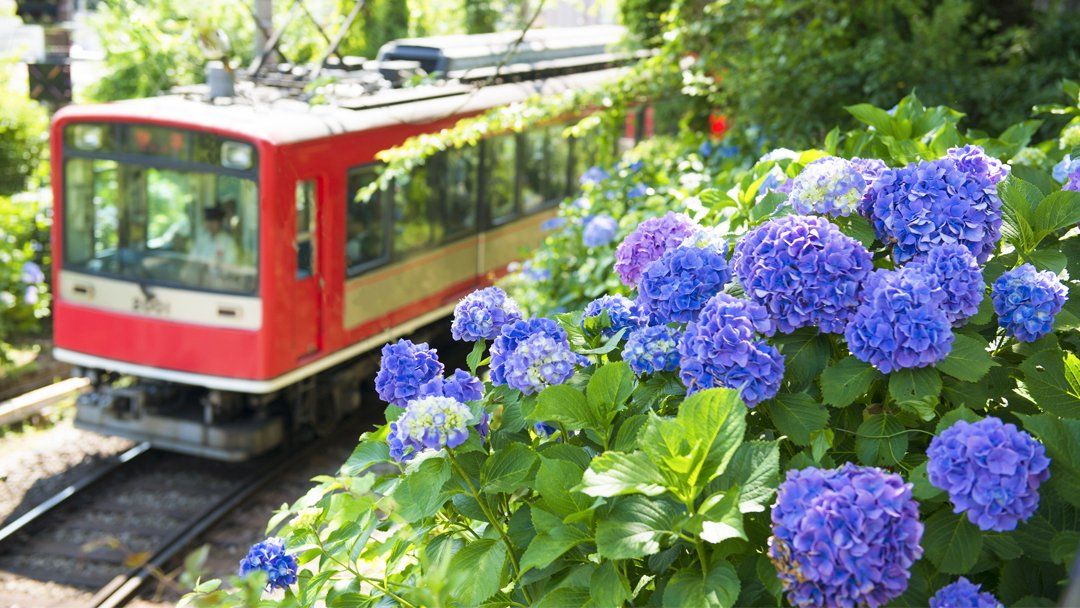
Not into standing around and just looking at flowers? This one’s for you. The Hakone Tozan Railway lets you experience ajisai season while literally riding through it. The tracks between Hakone-Yumoto and Gora are lined with thousands of hydrangea flowers, and during peak season, they even run special trains and light up the flowers at night.
3. Hakusan Shrine (Tokyo)

Want flowers and a bit of a festival vibe? Head here! Hakusan Shrine in Tokyo is home to around 3,000 ajisai flowers, and during mid-June, it hosts the Bunkyo Hydrangea Festival. Think food stalls, local performances, and lots of people out enjoying the season.
4. Mimurotoji Temple (Uji, Kyoto)
This one is for the aesthetic lovers. Mimurotoji Temple is known for its flowers, and it has a large hydrangea garden, with flowers blooming from early June to early July. But the real highlight? The evening illuminations. Seeing ajisai flowers lit up at night just feels different.
5. Katahara Onsen - Ajisai no Sato (Aichi)

If you want to go all out, this is the place. Ajisai-no-Sato in Gamagori has around 50,000 hydrangea flowers in bloom during June. Yes, 50,000. It’s one of the biggest displays in Japan, which only opens in June when the ajisai are in bloom. The whole area feels like a sea of pastel colors. They also have night light-ups, so you can come back in the evening and see everything in a completely different way.
Enjoy the Hydrangea Festivals
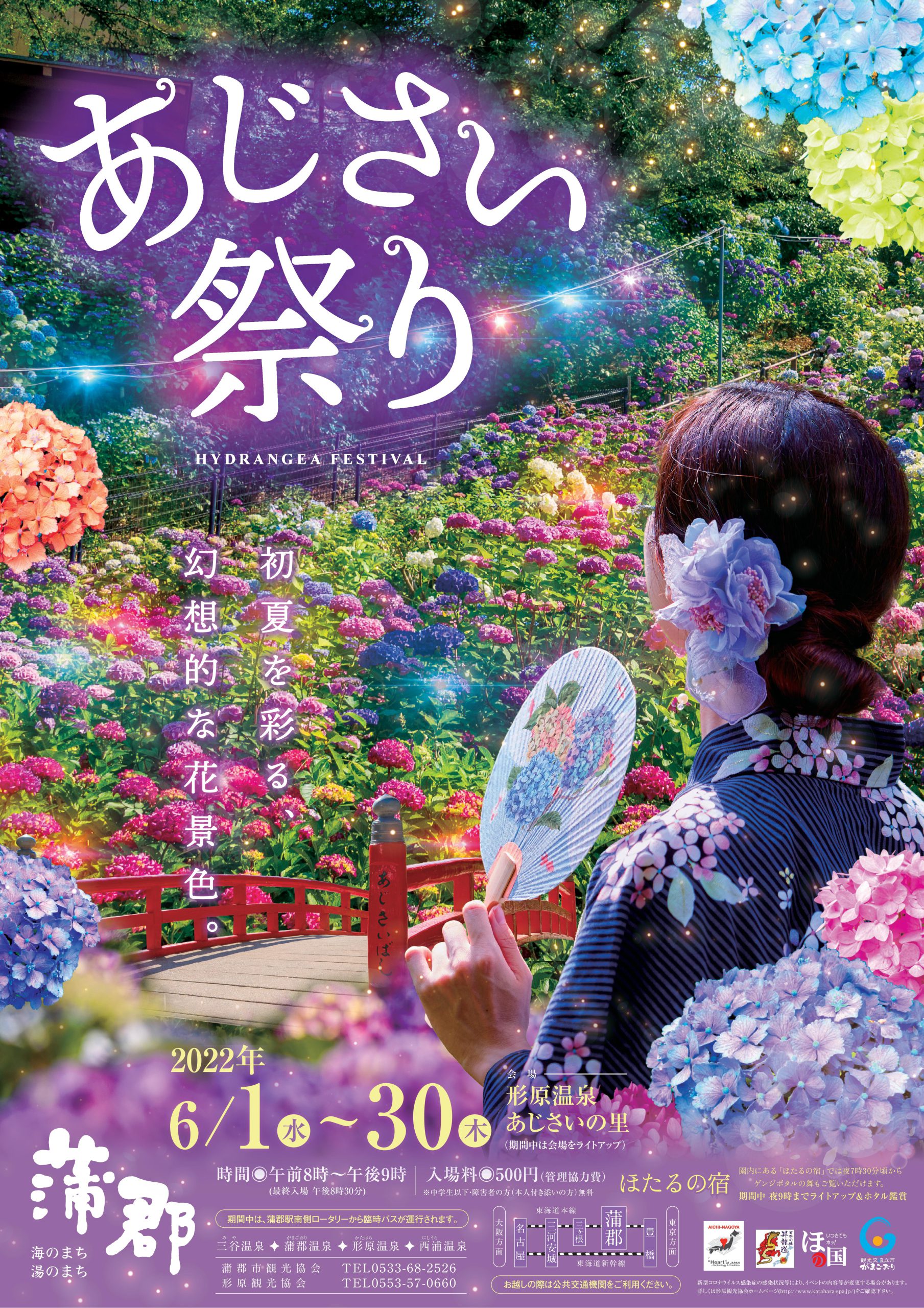
Seeing ajisai flowers is one thing, but experiencing them during a festival? That’s a whole different vibe. Ajisai matsuri, or hydrangea festivals, turn these flower spots into something more lively. Think food stalls, performances, night lights, and just people out enjoying the season together.
Katahara Onsen Ajisai Festival (Aichi)
This one feels like a full-on experience. Every June, the Hydrangea Festival is held at Katahara Onsen Hydrangea Village. You’ve got hydrangeas surrounding a scenic pond, plus evening light-ups that make everything look extra dreamy. Since it’s near an onsen area, you can literally end the day soaking in a hot spring after walking around. Flowers, lights, and a relaxing finish? Say less.
Ichinoseki Hydrangea Festival (Iwate)
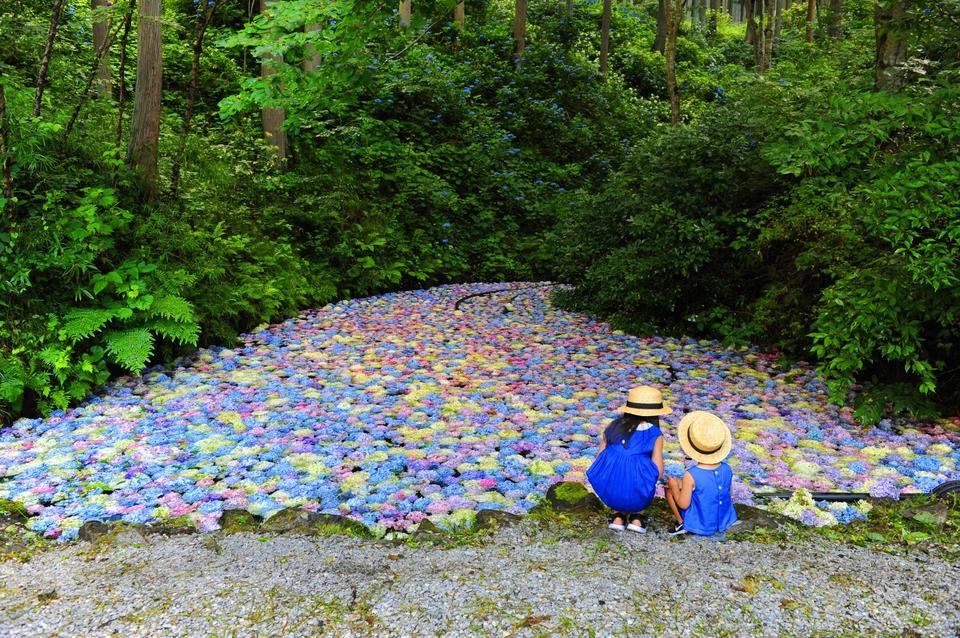
This festival takes place at Michinoku Hydrangea Garden, usually from early to mid-July. One of the biggest highlights is the famous “Hydrangea Pond”, where floating flowers cover the surface. You’ll also find food stalls on weekends, so you can grab some delicious snacks while exploring.
Sanuki Manno Park Hydrangea Festival (Kagawa)

If you want to have lots of activities, head to this festival, which is Shikoku Island’s largest hydrangea event. From early June to early July, you can stroll through the huge floral display, have outdoor tea ceremonies, participate in creative workshops, and join a photo contest.
Mito Hydrangea Festival (Ibaraki)

For more traditional vibes, head to the Mito Hydrangea Festival in June. You’ll find tea ceremonies, historical scenery, and a quieter atmosphere compared to bigger festivals. It’s less crowded, more relaxed, and feels a bit more cultural.

Well, that’s the end of our blooming guide! If you ever find yourself in Japan in June, don’t let the rain stop you. Grab an umbrella, take your time, and see where the ajisai flowers lead you.